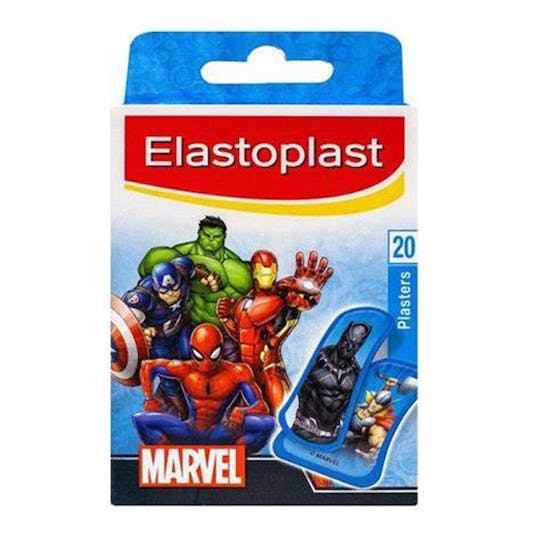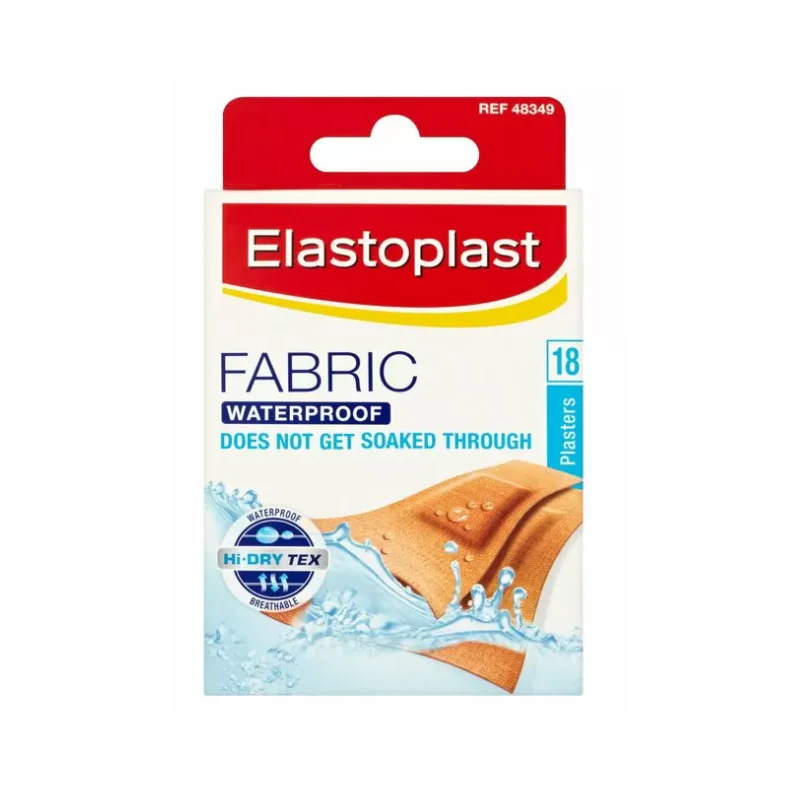
Elastoplast Extra Flexible Fabric Plasters
Elastoplast Extra Flexible Fabric Plasters for Wound Protection
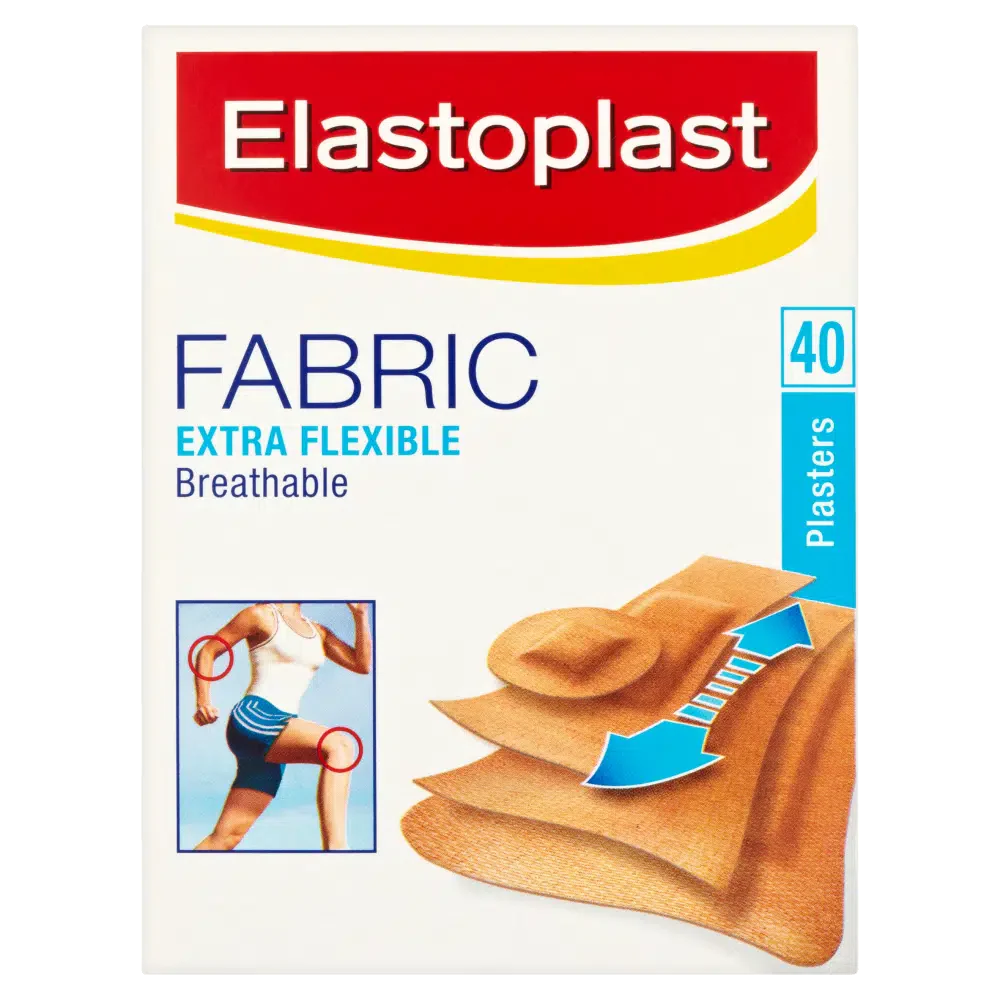
You can rely on these flexible plasters to provide secure wound protection whilst allowing natural movement. The fabric construction moves with your skin, making them suitable for joints and areas that bend frequently. Each plaster features a non-stick wound pad that protects the injury whilst allowing air circulation to support natural healing.
These adhesive bandages are designed to stay in place during daily activities whilst remaining comfortable against your skin. The breathable fabric material helps prevent moisture build-up underneath the dressing.
How These Flexible Wound Dressings Work
The fabric plasters use a secure adhesive border that bonds to clean, dry skin around the wound area. The central absorbent pad draws moisture away from the injury whilst the non-adherent surface prevents the dressing from sticking to the wound itself.
The flexible fabric construction allows the plaster to stretch and move with your body's natural motion. This reduces the likelihood of the edges lifting or the dressing becoming uncomfortable during wear. You can find additional wound care products in our first aid collection for comprehensive injury management.
Who Should Use Elastoplast Fabric Plasters
These wound dressings are suitable for covering minor cuts, grazes, and small wounds on adults and children. You should choose fabric plasters when you need secure protection for injuries on areas that move frequently, such as knuckles, elbows, or knees.
The plasters are particularly useful for:
- Active individuals who need reliable wound protection during movement
- Covering cuts and grazes on joints and flexible areas
- Situations where you need a breathable yet secure dressing
- Daily wear when comfort and flexibility are priorities
Why Choose Breathable Fabric Construction
The fabric material allows air to reach the wound area, which supports the natural healing process. Unlike plastic plasters, the breathable construction helps prevent excessive moisture accumulation that can soften the skin and potentially delay healing.
The flexible nature of the fabric means the plaster conforms to your skin's contours and maintains its protective seal even when you move. This makes them more comfortable for extended wear compared to rigid alternatives.
Clinical Suitability and Storage Requirements
You should store these plasters in a cool, dry place away from direct sunlight to maintain their adhesive properties. Check that your skin is clean and dry before application to ensure proper adhesion.
These dressings are suitable for most skin types, but you should discontinue use if you experience any signs of skin irritation or allergic reaction. Replace the plaster if it becomes wet, soiled, or starts to lift at the edges.
This product is a medicine. Speak to your doctor or pharmacist before using if you have an underlying medical condition or are taking other medicines.
Elastoplast Extra Flexible Fabric Plasters for Wound Protection
You can rely on these flexible plasters to provide secure wound protection whilst allowing natural movement. The fabric construction moves with your skin, making them suitable for joints and areas that bend frequently. Each plaster features a non-stick wound pad that protects the injury whilst allowing air circulation to support natural healing.
These adhesive bandages are designed to stay in place during daily activities whilst remaining comfortable against your skin. The breathable fabric material helps prevent moisture build-up underneath the dressing.
How These Flexible Wound Dressings Work
The fabric plasters use a secure adhesive border that bonds to clean, dry skin around the wound area. The central absorbent pad draws moisture away from the injury whilst the non-adherent surface prevents the dressing from sticking to the wound itself.
The flexible fabric construction allows the plaster to stretch and move with your body's natural motion. This reduces the likelihood of the edges lifting or the dressing becoming uncomfortable during wear. You can find additional wound care products in our first aid collection for comprehensive injury management.
Who Should Use Elastoplast Fabric Plasters
These wound dressings are suitable for covering minor cuts, grazes, and small wounds on adults and children. You should choose fabric plasters when you need secure protection for injuries on areas that move frequently, such as knuckles, elbows, or knees.
The plasters are particularly useful for:
- Active individuals who need reliable wound protection during movement
- Covering cuts and grazes on joints and flexible areas
- Situations where you need a breathable yet secure dressing
- Daily wear when comfort and flexibility are priorities
Why Choose Breathable Fabric Construction
The fabric material allows air to reach the wound area, which supports the natural healing process. Unlike plastic plasters, the breathable construction helps prevent excessive moisture accumulation that can soften the skin and potentially delay healing.
The flexible nature of the fabric means the plaster conforms to your skin's contours and maintains its protective seal even when you move. This makes them more comfortable for extended wear compared to rigid alternatives.
Clinical Suitability and Storage Requirements
You should store these plasters in a cool, dry place away from direct sunlight to maintain their adhesive properties. Check that your skin is clean and dry before application to ensure proper adhesion.
These dressings are suitable for most skin types, but you should discontinue use if you experience any signs of skin irritation or allergic reaction. Replace the plaster if it becomes wet, soiled, or starts to lift at the edges.
This product is a medicine. Speak to your doctor or pharmacist before using if you have an underlying medical condition or are taking other medicines.
Original: $5.62
-65%$5.62
$1.97Description
Elastoplast Extra Flexible Fabric Plasters for Wound Protection
You can rely on these flexible plasters to provide secure wound protection whilst allowing natural movement. The fabric construction moves with your skin, making them suitable for joints and areas that bend frequently. Each plaster features a non-stick wound pad that protects the injury whilst allowing air circulation to support natural healing.
These adhesive bandages are designed to stay in place during daily activities whilst remaining comfortable against your skin. The breathable fabric material helps prevent moisture build-up underneath the dressing.
How These Flexible Wound Dressings Work
The fabric plasters use a secure adhesive border that bonds to clean, dry skin around the wound area. The central absorbent pad draws moisture away from the injury whilst the non-adherent surface prevents the dressing from sticking to the wound itself.
The flexible fabric construction allows the plaster to stretch and move with your body's natural motion. This reduces the likelihood of the edges lifting or the dressing becoming uncomfortable during wear. You can find additional wound care products in our first aid collection for comprehensive injury management.
Who Should Use Elastoplast Fabric Plasters
These wound dressings are suitable for covering minor cuts, grazes, and small wounds on adults and children. You should choose fabric plasters when you need secure protection for injuries on areas that move frequently, such as knuckles, elbows, or knees.
The plasters are particularly useful for:
- Active individuals who need reliable wound protection during movement
- Covering cuts and grazes on joints and flexible areas
- Situations where you need a breathable yet secure dressing
- Daily wear when comfort and flexibility are priorities
Why Choose Breathable Fabric Construction
The fabric material allows air to reach the wound area, which supports the natural healing process. Unlike plastic plasters, the breathable construction helps prevent excessive moisture accumulation that can soften the skin and potentially delay healing.
The flexible nature of the fabric means the plaster conforms to your skin's contours and maintains its protective seal even when you move. This makes them more comfortable for extended wear compared to rigid alternatives.
Clinical Suitability and Storage Requirements
You should store these plasters in a cool, dry place away from direct sunlight to maintain their adhesive properties. Check that your skin is clean and dry before application to ensure proper adhesion.
These dressings are suitable for most skin types, but you should discontinue use if you experience any signs of skin irritation or allergic reaction. Replace the plaster if it becomes wet, soiled, or starts to lift at the edges.
This product is a medicine. Speak to your doctor or pharmacist before using if you have an underlying medical condition or are taking other medicines.